Why a Ferrari Enzo Returned 10x the S&P 500 Last Year
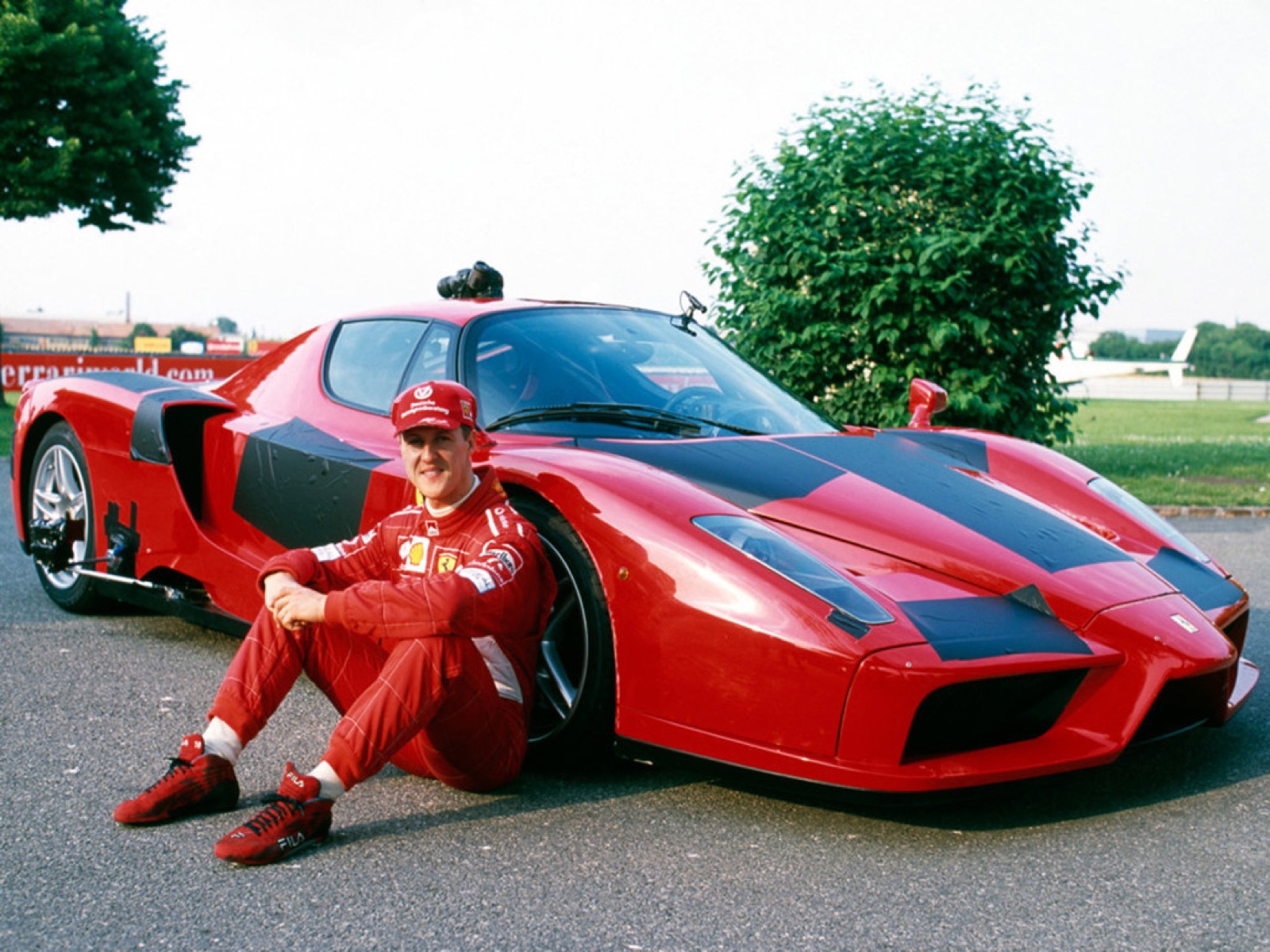
Over the past twelve months an investment in the S&P 500 has returned about 19%. A very good year by any standard. Well, over the same time if you’d instead taken your capital and purchased a 23-year-old Ferrari Enzo, driven it around for twelve months and then sold it, you’d have beaten the index by a factor of ten (and you would have been able to enjoy an Enzo for a year). How can that be?
The answer is a fascinating story about supply, demand, regulation, and how human psychology drives asset markets.
First, let’s look at the results:
All of the charts look the same, drifting up modestly for years and then inflecting at the beginning of this year.
So, what happened in January 2026?
The Catalyst: a strange auction, a strange collection, and a strange buyer
In January 2026 a Ferrari Enzo from the Bachman Collection was sold at the Mecum Kissimmee Auction for $17.875M. The previous public auction record for an Enzo was $6.26M in 2023. Many of the rest of the collection of 48 or so cars sold at similar record levels.
If you’d told me a year ago that the record books were about to be rewritten, I would have guessed it would happen at Monterey Car Week. That’s often where extremely high end cars like this trade, at houses like RM Sotheby’s and Gooding with crowds of wealthy enthusiasts. Mecum is a respected brand, but more for American muscle cars and in a Florida convention hall in January? I don’t think it’s where anyone expected the most expensive Enzo in history to sell.
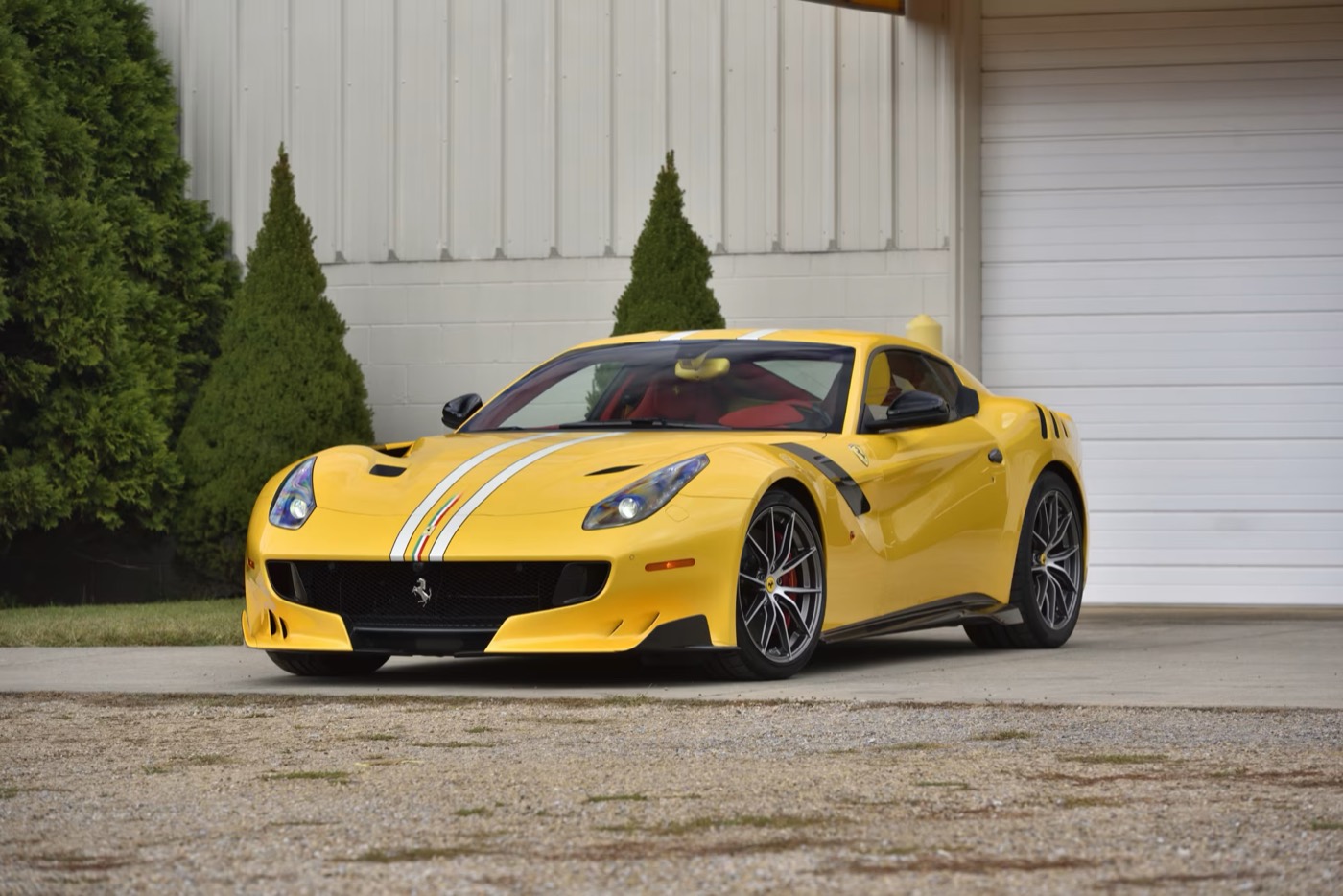
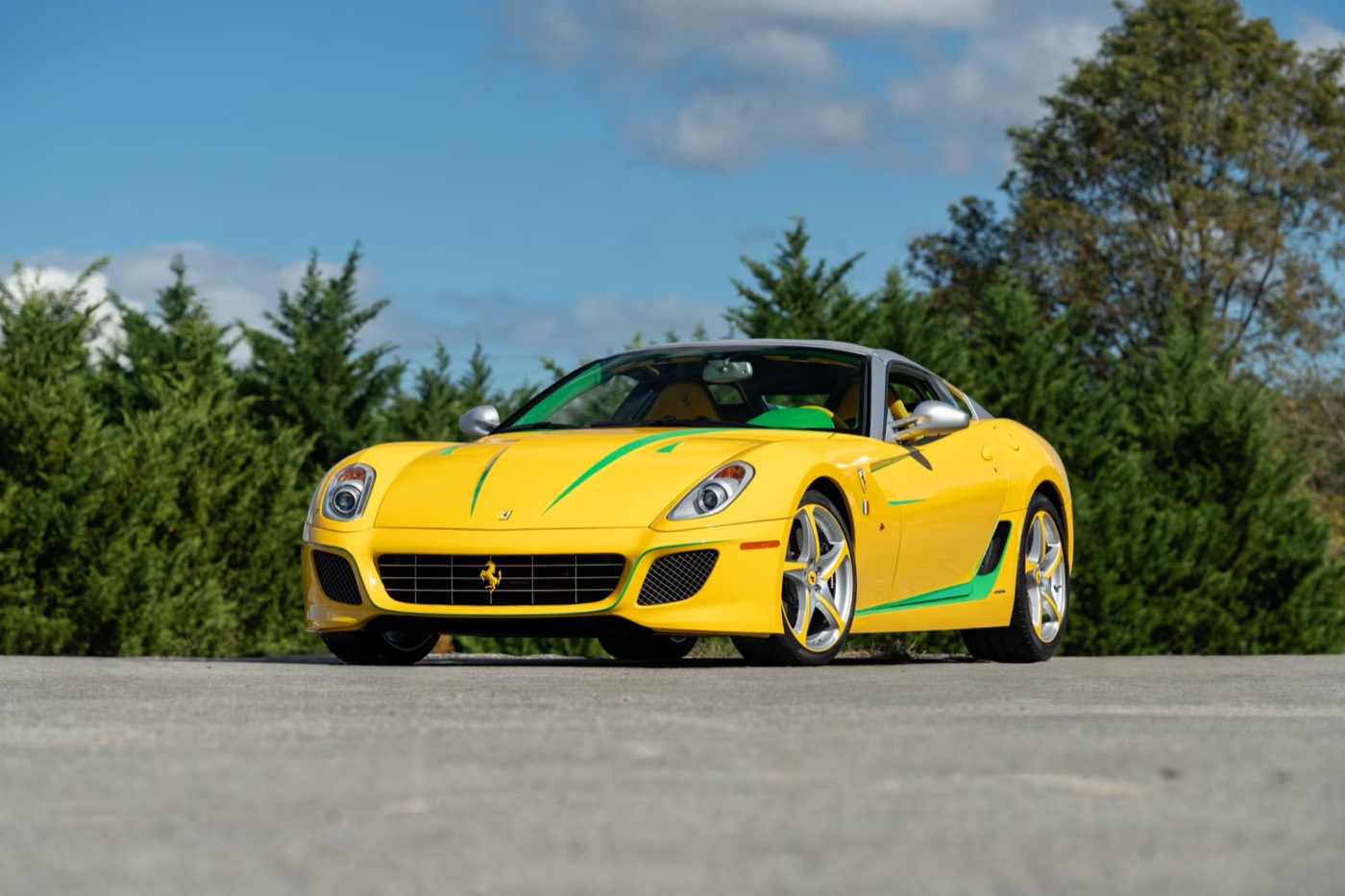
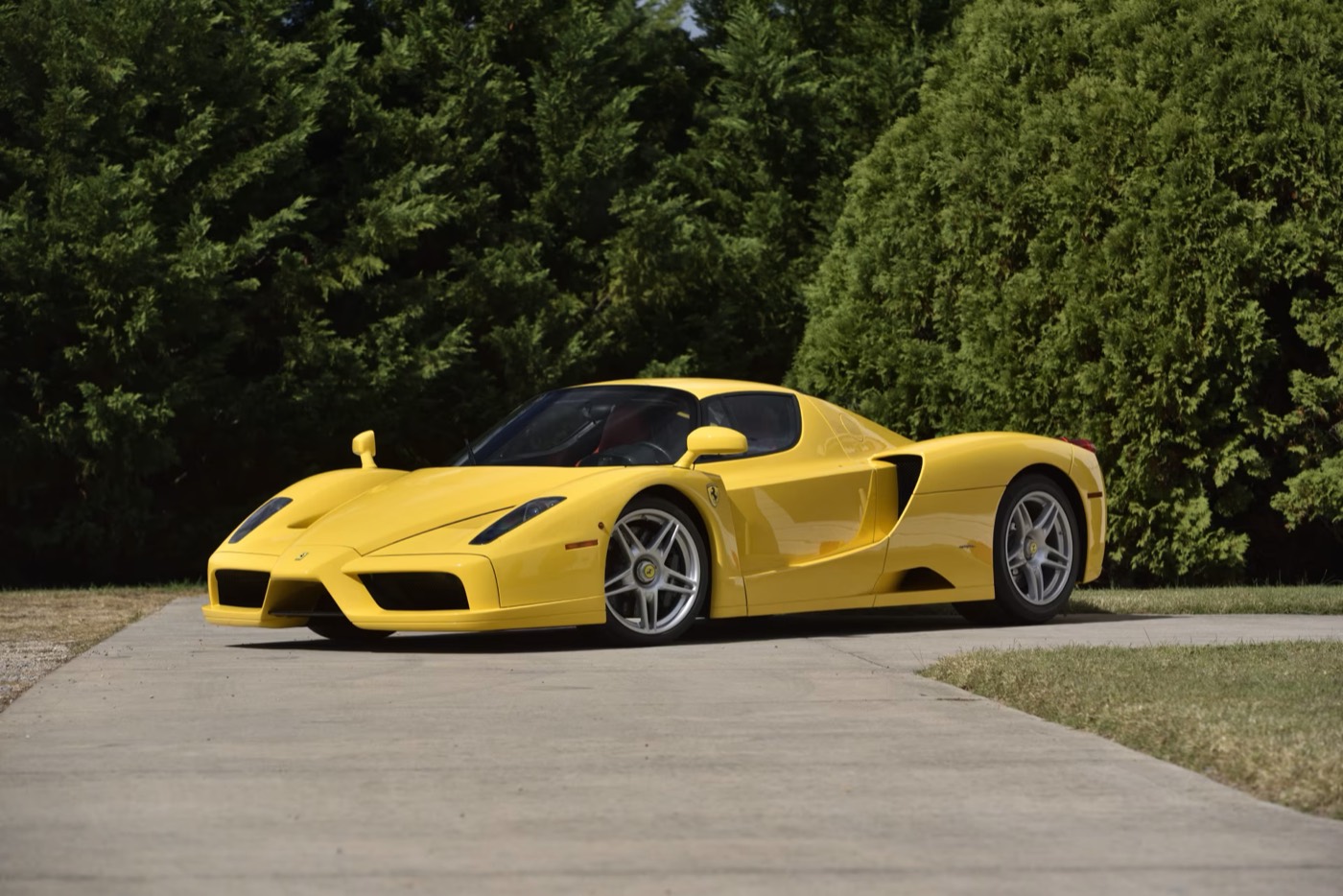
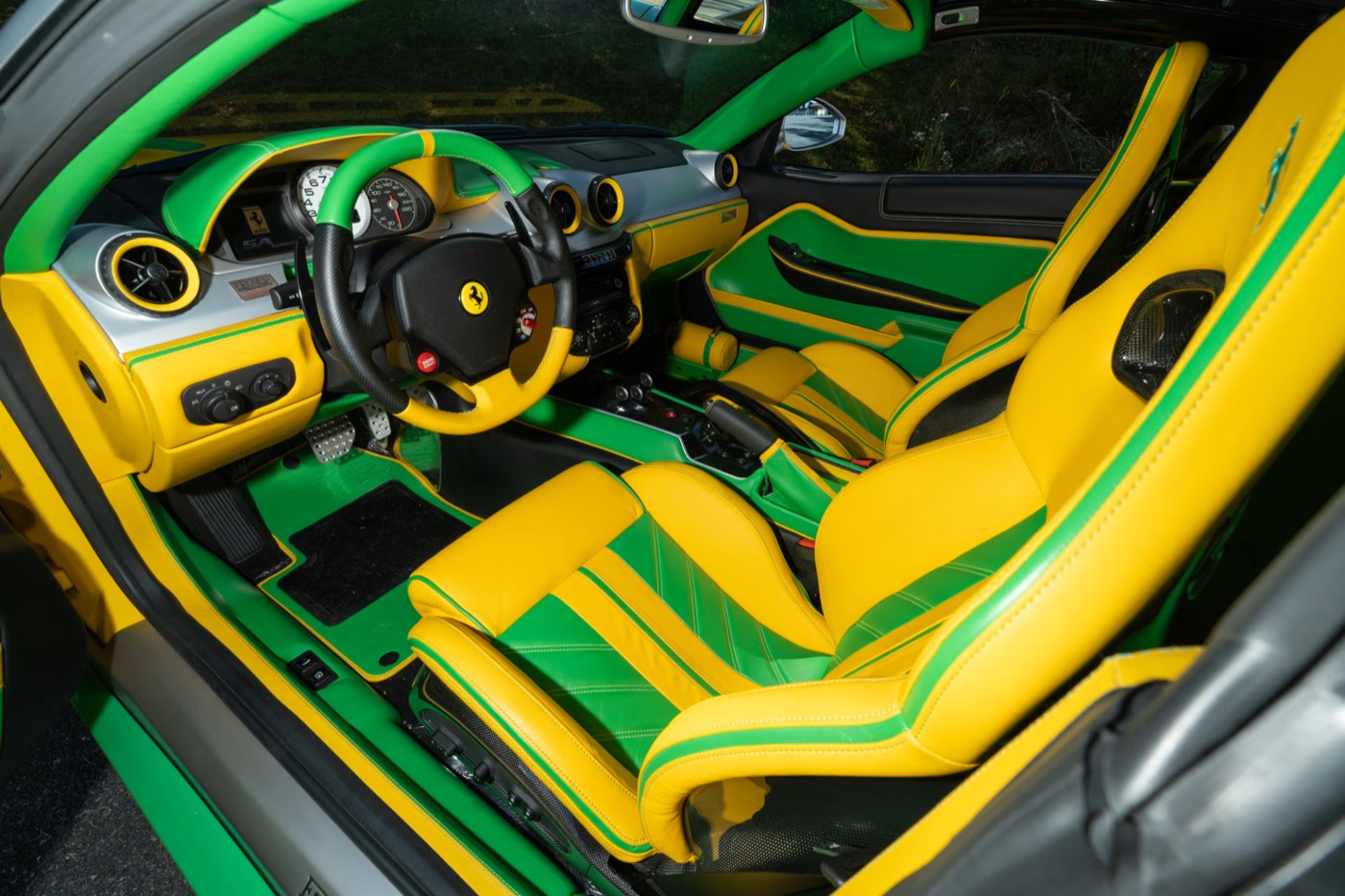
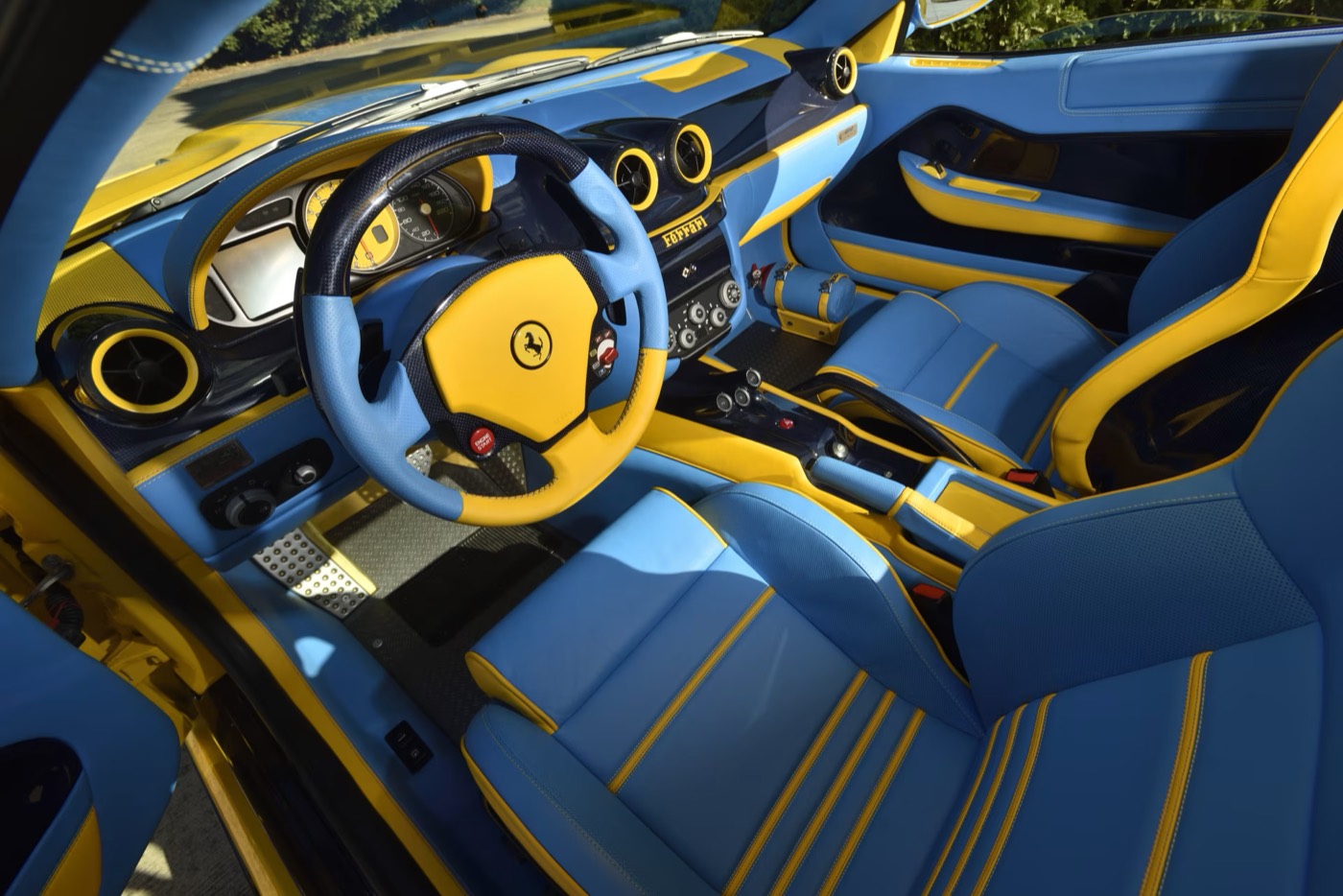
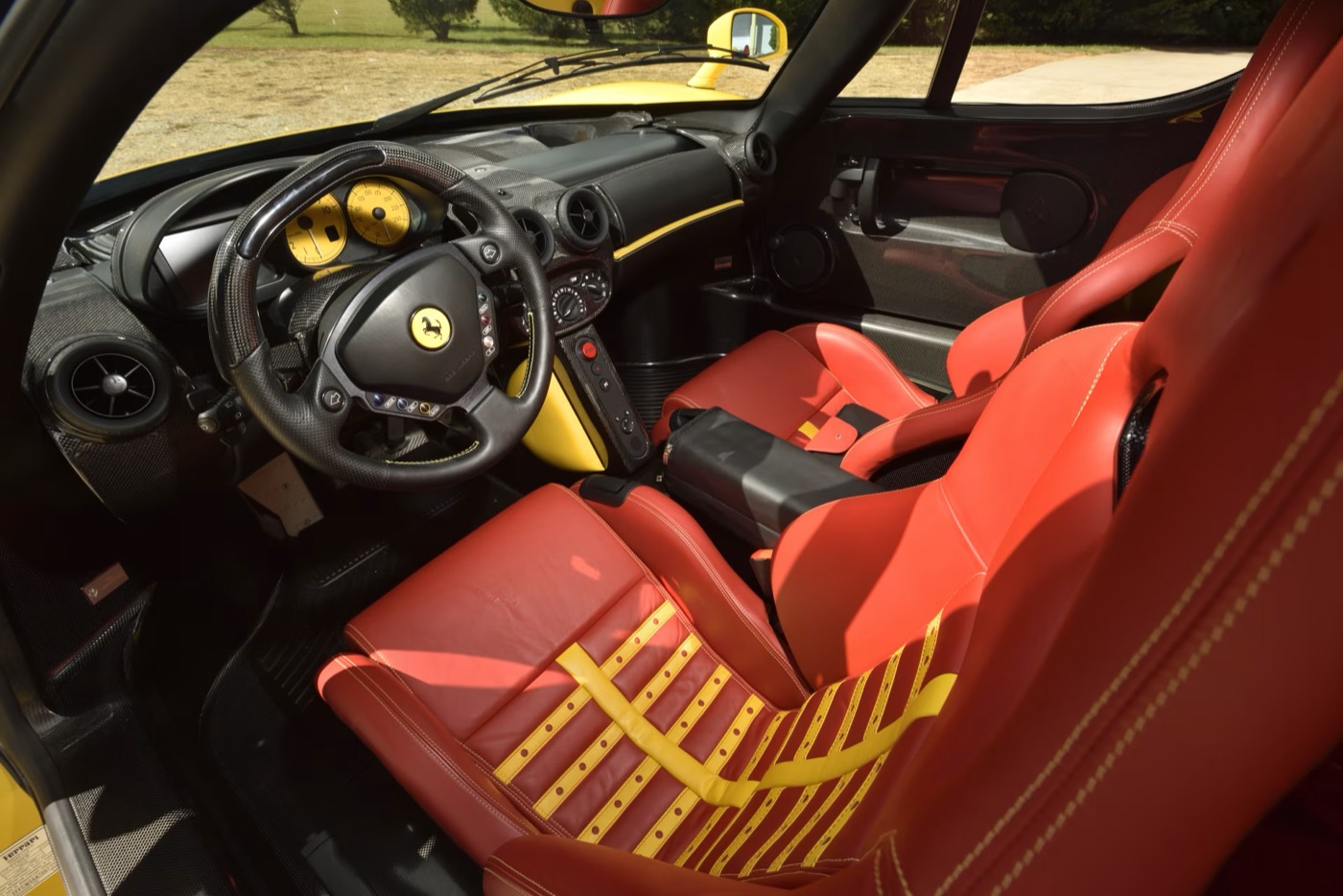
The cars being sold were a bit odd as well. The Bachman collection consisted of many extremely rare cars from Ferrari’s analog era: all with delivery-mile odometers, logbooks recording every drive and service, and bespoke factory specs Ferrari reserves for its best customers. But, those highly custom specifications were also a bit strange. Blue seats. Red and yellow “McDonald’s” upholstery. Yellow wheels, green-and-yellow liveries. Extremely rare, yes, but desirable?
And then stranger still is the buyer. A meaningful part of the collection was bought by a single Miami dealer, Cario Motors, described by some as “sketchy”. The cars aren’t listed for sale. Nobody seems sure whether they’re inventory, showroom decoration, or an investment position. It makes me wonder whether there will eventually be more to the story here.
But, for all the strangeness, the results appear durable. Another Enzo brought $15.185M at Amelia in March and private sales of more “normal”, non-mint Enzos have risen by several million dollars.
The story lies in why it’s been durable despite all the weirdness. If it had been a fluke, prices would’ve drifted back to earth in a few months, but that hasn’t been the case. To understand why we have to look at how supply and demand is shaping this market.
Supply: a frozen golden era
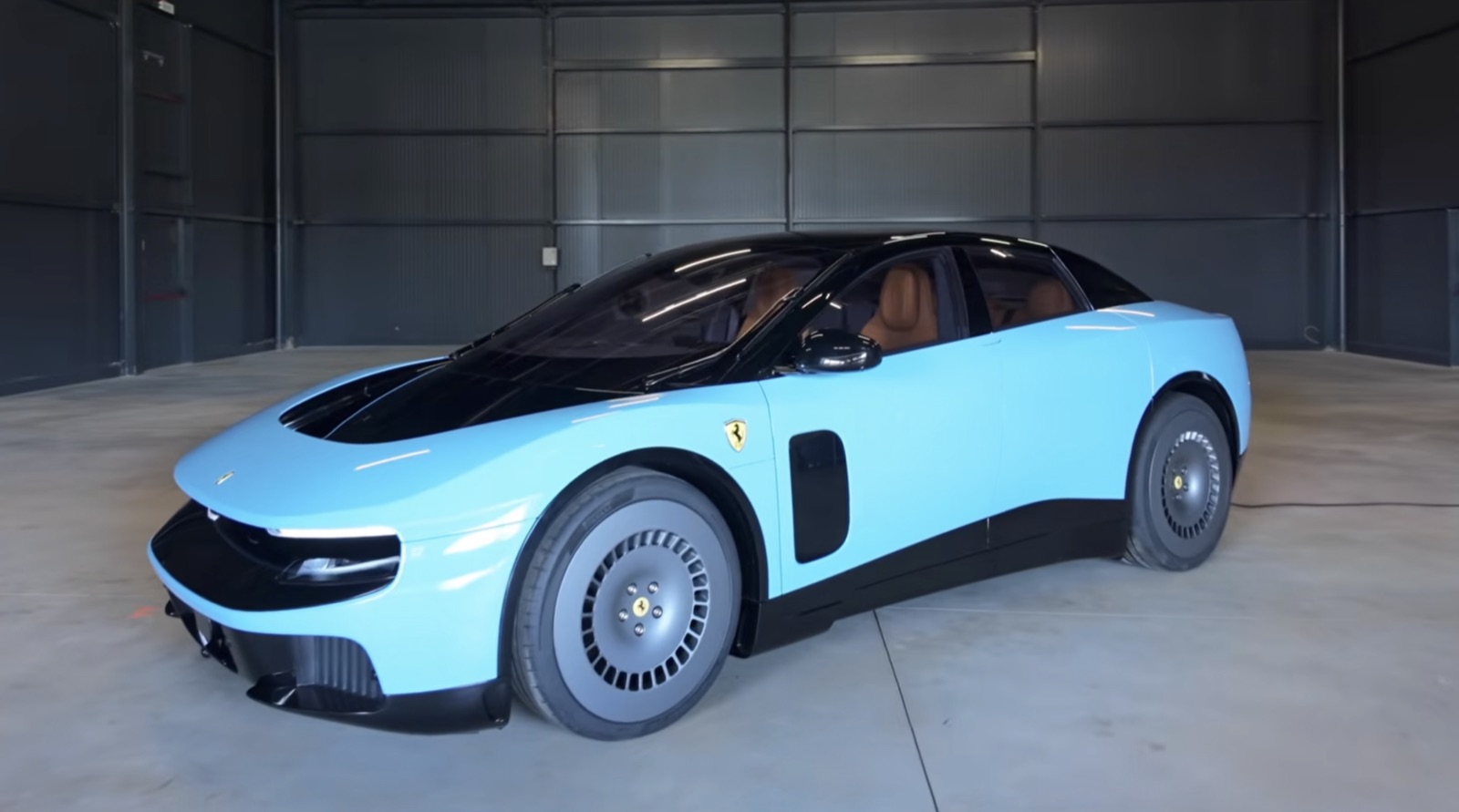
Ferrari’s current lineup is quite different than it was even ten years ago. The mid-engined V8 cars of the 308, 360 lineage are all turbocharged and hybrid now. The halo cars are now also hybrid with LaFerrari and now the F80 (which has a V6 instead of a traditional V12). And in May, Ferrari launched the Luce, its first EV, which looked like a cross between a Nissan Leaf and an iPhone and precipitated an 8% single-day stock drop. Ferrari’s own chief commercial officer described the target buyer for the Luce as someone who already owns an electric car, and rumor has it that it is exempt from the typical buy-this-less-desirable-Ferrari-first-then-we’ll-give-you-a-nice-one-at-MSRP program. In other words, it’s not made for a traditional Ferrari buyer.
It’s easy to blame regulation for all of this, and regulation is a big part of it. EU emissions rules make selling relatively inefficient, naturally aspirated engines untenable. While Ferrari still qualifies for a “small manufacturer” partial exemption, it is not exempted from the 2035 EU mandate that all new cars are zero emissions. However, an uncomfortable truth is that hybridization also provides better lap times. The initial thrust of hybridization was driven by performance. Ferrari can’t let other automakers press forward with it and then watch all of their cars lose every track day and drag race. That’s equally damaging to their brand. In reality, analog Ferraris are squeezed from both sides, regulation and market competition.
But whatever the reason, the reality is that the supply of naturally aspirated, analog, golden-era Ferraris is inherently limited. The Enzo was limited to 400 cars, the F50 to 349, the Speciale Aperta to 499, and so on. It’s fixed forever, and the tradeable supply only shrinks as cars crash or disappear into collections.
So, what happens when this limited supply is confronted by a shift in demand?
Demand: bedroom posters, credit, institutional capital, and price threshold psychology
The shift started during COVID. When auctions went online, the depth of the buyer pool became visible for the first time. Bidders could watch, in real time, how many other people with money were chasing the same car. The market discovered it was far more liquid than anyone had assumed. Once that perception locked in, four factors began compounding.
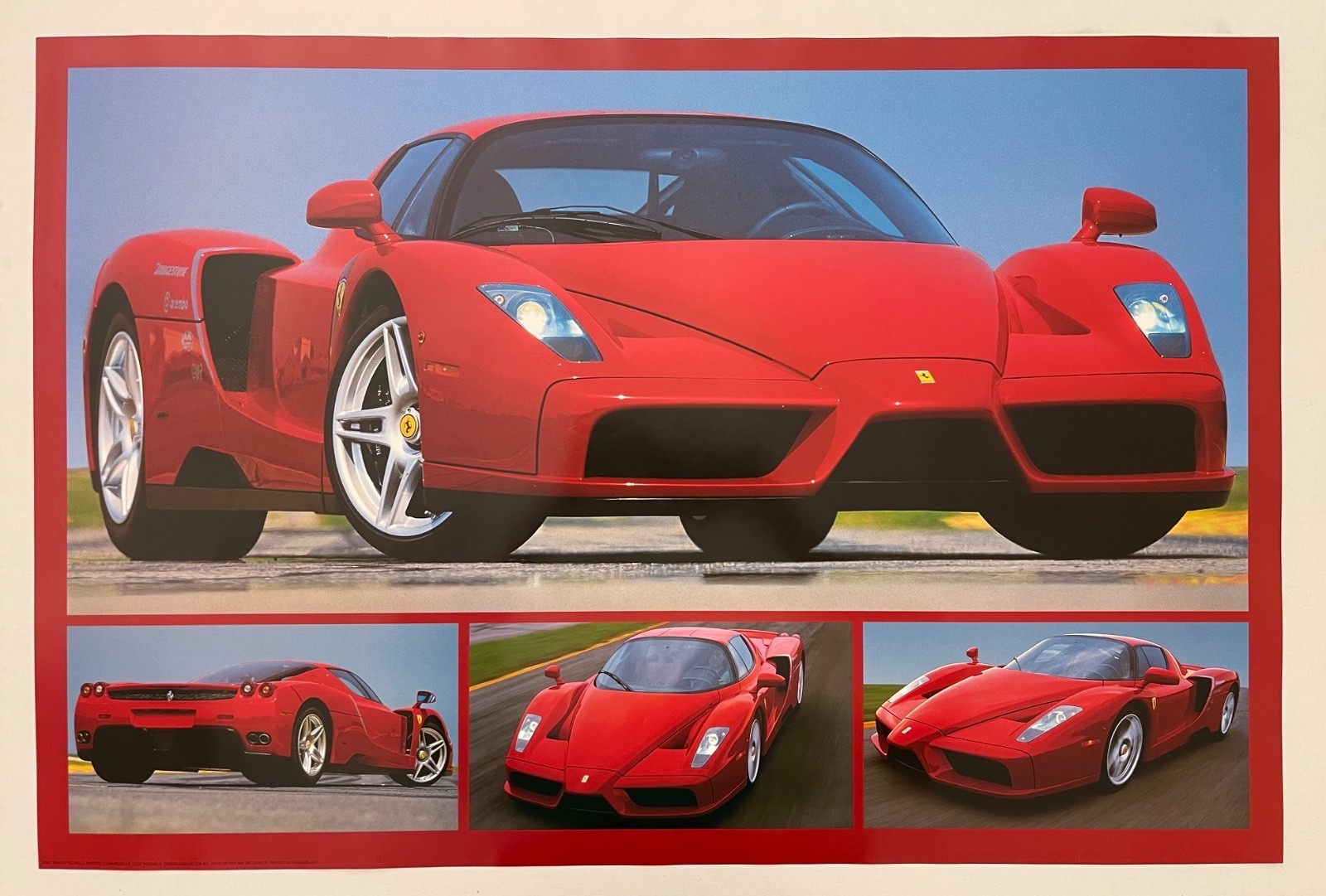
1. The bedroom wall factor
Hagerty calls it the bedroom wall factor: the cars you taped to your wall as a kid are the cars you buy at 40. It’s usually about a 20-25 year cycle.
But unlike previous generations, there are three buyer generations that seem to be interested in these cars. Those with tech wealth in their 30s, buying childhood dream cars ahead of schedule, the traditional cohort in their 40s and 50s, and legacy collectors trading out of classics. The sheer amount of buyers with money overwhelms a relatively small market of highly desirable cars.
2. Banks will underwrite these multi-million dollar car loans
A decade ago banks would not lend you $1M for a car. Today, specialty lenders like Premier Financial Services and private banks finance seven to eight figure cars at competitive rates. Now increasingly these institutions can underwrite by pointing to strong visible comps, deep liquidity, and no multi-year drawdowns. In an interesting parallel, the top of the art market is said to be roughly 80% debt-financed. It appears cars are following. Credit introduces a reflexive loop: credit lifts bids, higher prices validate underwriting, and more credit arrives.
3. Family offices and institutional capital
In 2023, Drift Capital launched a closed-end collector car fund targeting $50-75M. The fund itself is small, but it provides a structure for family offices and other allocators to take on exposure. They are not the only ones. Running the math on institutional money entering the market, you can see how things can change quickly. Ferrari built 400 Enzos (only 111 delivered to North America), of which only a small fraction realistically trade in a given year. At a standard price of $7-8M for a non-Bachman car, the entire Enzo market cap is under $1B. That’s incredibly shallow relative to the depth of institutional capital: a single family office deciding to build a position could move the whole market.
4. Price thresholds unlock new buyers
The canonical story of this comes from Paul Newman Daytonas, very rare vintage watches. When the first Daytona watch sold for $1M, news articles were written about it, people talked about it, and people who never bought watches took notice. Suddenly, a much larger pool of buyers who weren’t tracking the asset started paying attention. This makes the asset more liquid, which removes some illiquidity discount, and increases prices further. All of these high profile sales do the same thing in cars.
Each factor feeds the others. New wealth wants the cars, secular increases in credit and institutional capital drive up bids, and every record price brings new attention. Stack all four on a supply that will never grow, give it a public price discovery catalyst, and you get charts that go vertical.
So what does that mean for enthusiasts?
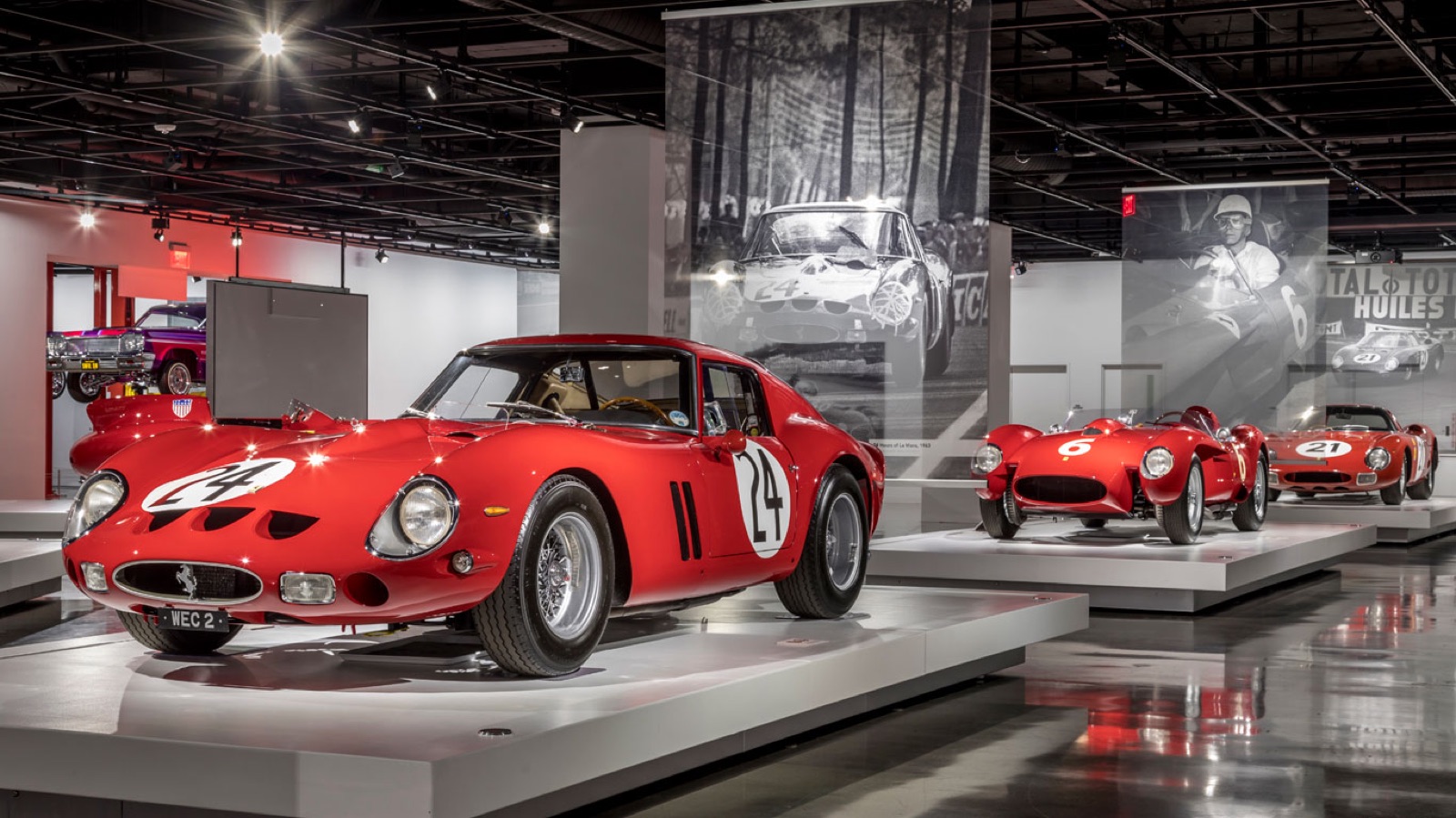
A world where you can buy a bedroom poster car, enjoy it, and have it hold its value seems like a dream on the surface, but the reality is that at this trajectory even cars that were “aspirationally” attainable are at risk of being completely untouchable. And worse yet, for those that can afford them, the idea of driving them, and sharing them with the community becomes almost irresponsible. Can you really drive around on public roads with a car worth $10M+? In all likelihood, these cars increasingly become what 250 GTOs became a generation ago: assets that live in climate-controlled storage, appearing only on auction blocks and concours lawns. Cars built to be driven, but ultimately retired into safe deposit boxes.
The hope is that Ferrari and other brands recognize this dynamic and do something to ease supply. And there is some hope. They recently came out with the Ferrari 12Cilindri Manuale, a naturally aspirated V12 with a gated shifter and a clutch pedal. The “manual” is technically a simulation that feels like a manual but sits on top of an automatic dual-clutch transmission. It’s limited to 1,499 cars, costs 200k more than the non-manual version and will sell out instantly, not because of better performance, but for the same reason golden era cars are being so dramatically repriced: a connected, analog driving experience.
I wonder if it’s the start of something: a lineup that splits performance cars, EVs for regulators, and enthusiast cars that trade lap times for experience. Whatever the answer is, it’s certainly not the Luce.